

In 2026, Africa’s 15 richest men are no longer just beneficiaries of commodities booms or inherited conglomerates. They are industrialists, global investors, and political actors, shaping markets far beyond their home countries at a time when the continent is grappling with inflation, currency volatility, and regulatory pushback.
Collectively, Africa’s top 15 billionaires control well over $170bn in net worth, concentrated largely in Nigeria, South Africa, and North Africa. Their fortunes reveal where capital still works on the continent—and where it doesn’t.
Contents
- 1. Aliko Dangote (Nigeria)
- 2. Johann Rupert (South Africa)
- 3. Nicky Oppenheimer (South Africa)
- 4. Nassef Sawiris (Egypt)
- 5. Mike Adenuga (Nigeria)
- 6. Abdulsamad Rabiu (Nigeria)
- 7. Naguib Sawiris (Egypt)
- 8. Koos Bekker (South Africa)
- 9. Mohamed Mansour (Egypt)
- 10. Patrice Motsepe (South Africa)
- 11. Issad Rebrab (Algeria)
- 12. Mohammed Dewji (Tanzania)
- 13. Michiel le Roux (South Africa)
- 14. Strive Masiyiwa (Zimbabwe)
- 15. Othman Benjelloun / Anas Sefrioui (Morocco)
1. Aliko Dangote (Nigeria)
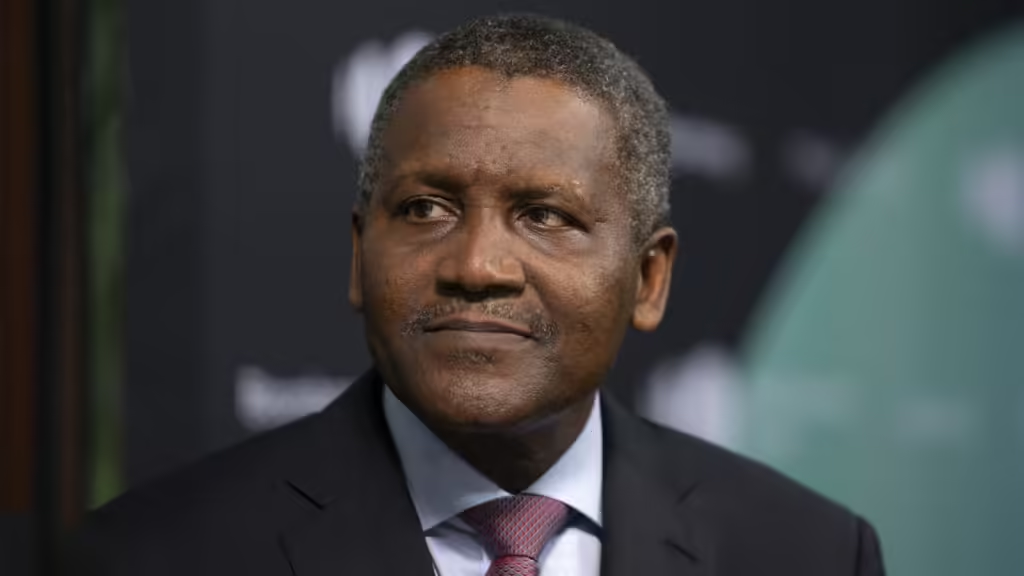
Net worth: ~$30–32bn
Industry: Cement, oil refining, fertilisers
Dangote remains Africa’s richest man, anchored by his cement empire and the Dangote Refinery, which began reshaping West Africa’s fuel imports in 2025. His bet is straightforward: Africa must produce what it consumes. The refinery alone has shifted regional energy economics—and with fertilisers and petrochemicals next, Dangote is positioning himself as Africa’s most consequential industrialist since independence.
2. Johann Rupert (South Africa)

Net worth: ~$13–15bn
Industry: Luxury goods
Rupert’s wealth comes largely from Richemont, the Swiss luxury group behind Cartier and Van Cleef & Arpels. Unlike most African billionaires, Rupert’s fortune is overwhelmingly global, insulated from local currency shocks. That distance has made him one of Africa’s wealthiest—and least exposed—tycoons.
3. Nicky Oppenheimer (South Africa)
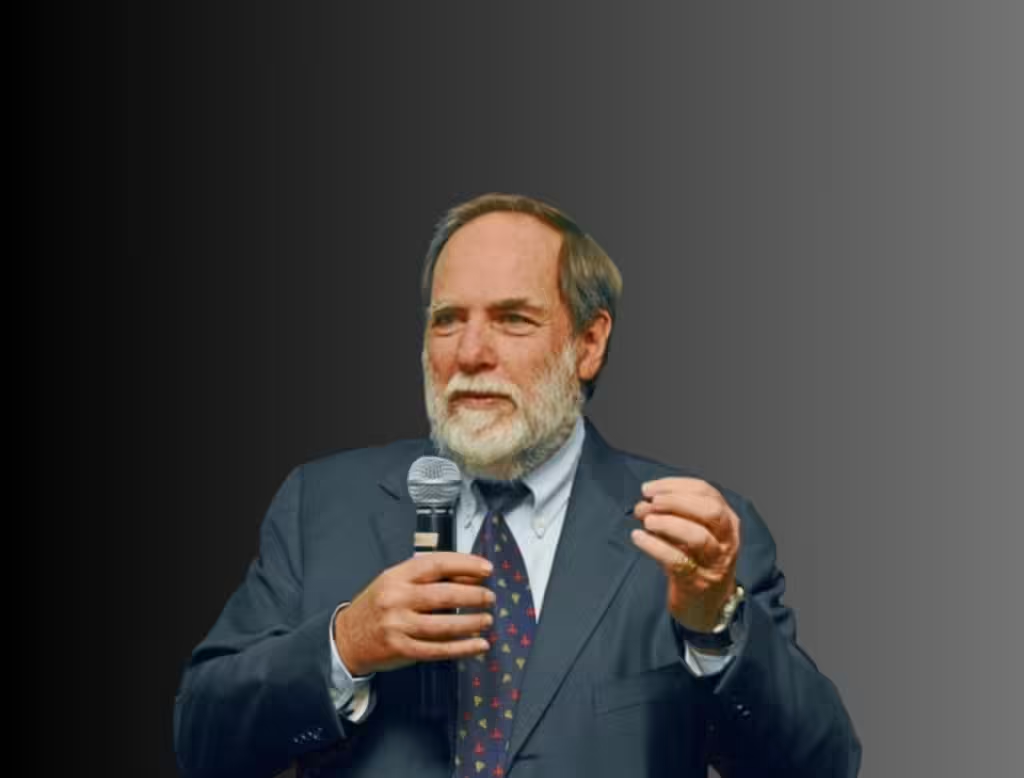
Net worth: ~$9–10bn
Industry: Mining, investments
The former De Beers chairman sold the family’s diamond stake over a decade ago and has since repositioned his wealth into conservation, agriculture, and private equity. Oppenheimer represents a transition class: old-money mining capital quietly diversifying away from extractives.
4. Nassef Sawiris (Egypt)
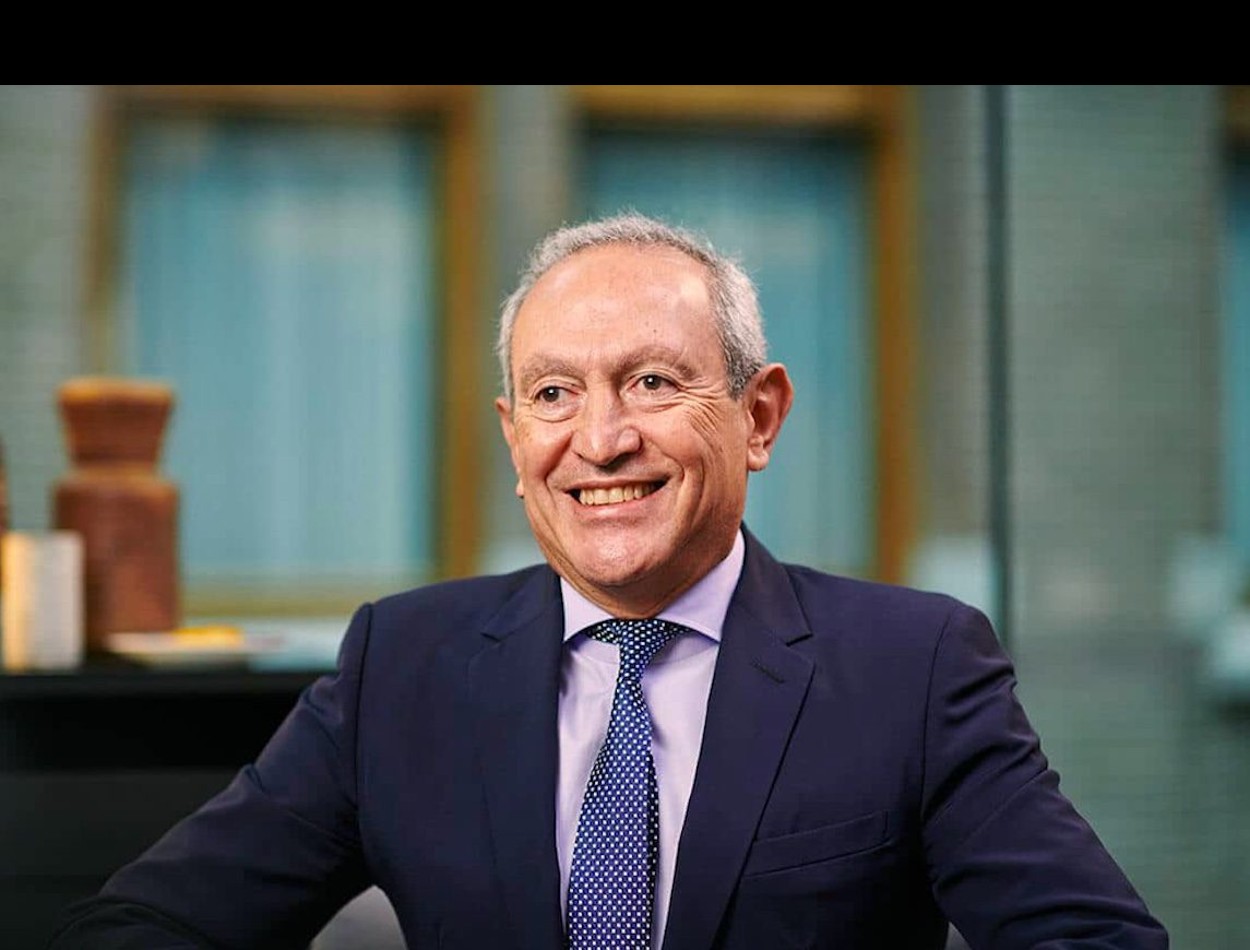
Net worth: ~$8–9bn
Industry: Construction, investments
Sawiris controls OCI and holds stakes in global blue-chip companies, including Adidas. With assets largely offshore, he has insulated his fortune from Egypt’s repeated currency devaluations—an increasingly common strategy among North Africa’s elite.
5. Mike Adenuga (Nigeria)

Net worth: ~$6–7bn
Industry: Telecommunications, oil
Adenuga’s Globacom remains Nigeria’s second-largest telecoms operator, while his oil interests provide dollar revenues that hedge naira weakness. Reclusive but influential, Adenuga’s empire straddles energy and connectivity—two of Africa’s most politically sensitive sectors.
6. Abdulsamad Rabiu (Nigeria)
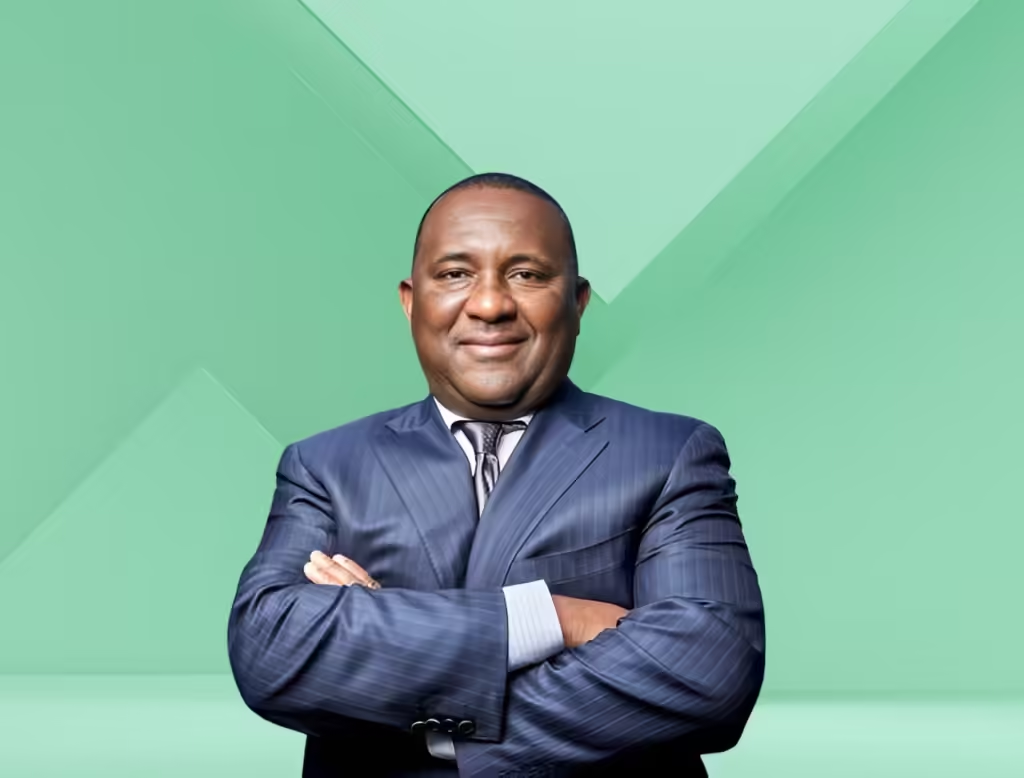
Net worth: ~$5–6bn
Industry: Cement, sugar
Founder of BUA Group, Rabiu has emerged as Dangote’s closest industrial rival. His growth has been fueled by aggressive capacity expansion and favourable policy alignment—highlighting how closely African industrial success remains tied to the state.
7. Naguib Sawiris (Egypt)
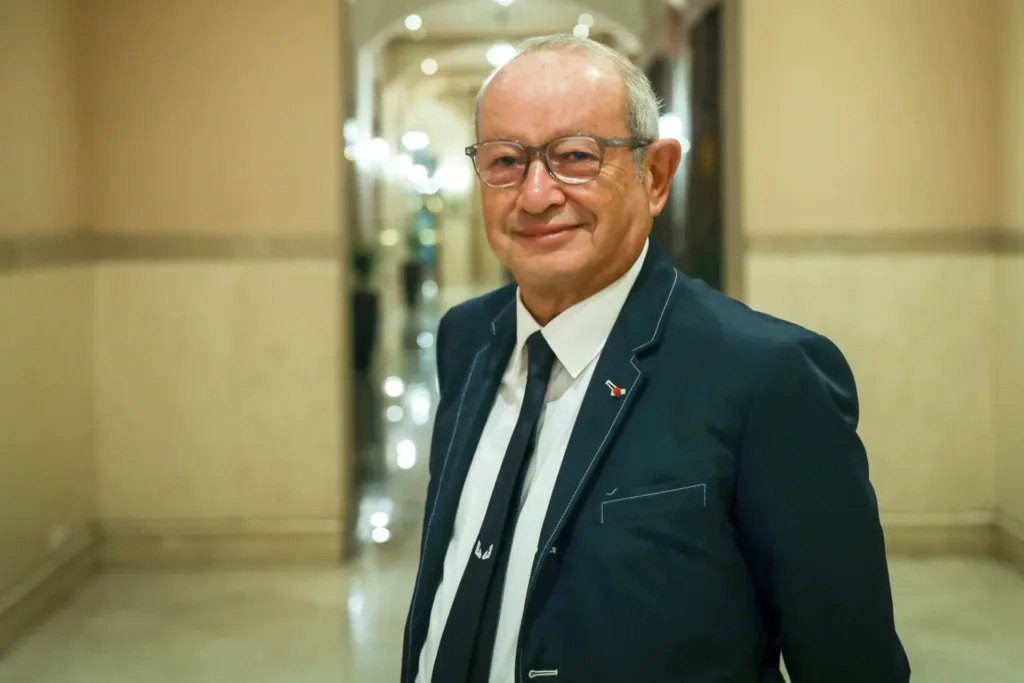
Net worth: ~$3–4bn
Industry: Telecommunications, media
A pioneer of emerging-market telecoms, Sawiris built and sold mobile networks across Africa, the Middle East, and Asia. Today, his wealth is diversified into media, gold, and offshore investments, reflecting both experience and caution.
8. Koos Bekker (South Africa)
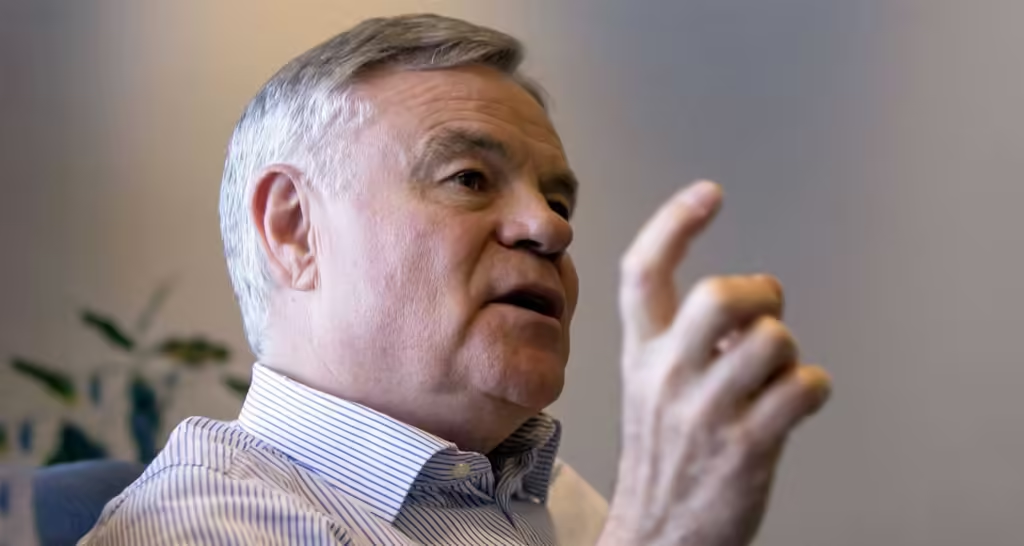
Net worth: ~$3bn
Industry: Technology, media
Bekker’s legacy is Napers’ early investment in Tencent, one of the most lucrative venture bets in history. Though largely retired, his wealth underscores Africa’s rare but outsized successes in global tech investing.
9. Mohamed Mansour (Egypt)

Net worth: ~$3bn
Industry: Automotive, consumer goods
Head of the Mansour Group, he controls one of Africa’s largest GM dealerships alongside consumer and logistics businesses. His fortune reflects the quiet profitability of distribution—not innovation—across African markets.
10. Patrice Motsepe (South Africa)
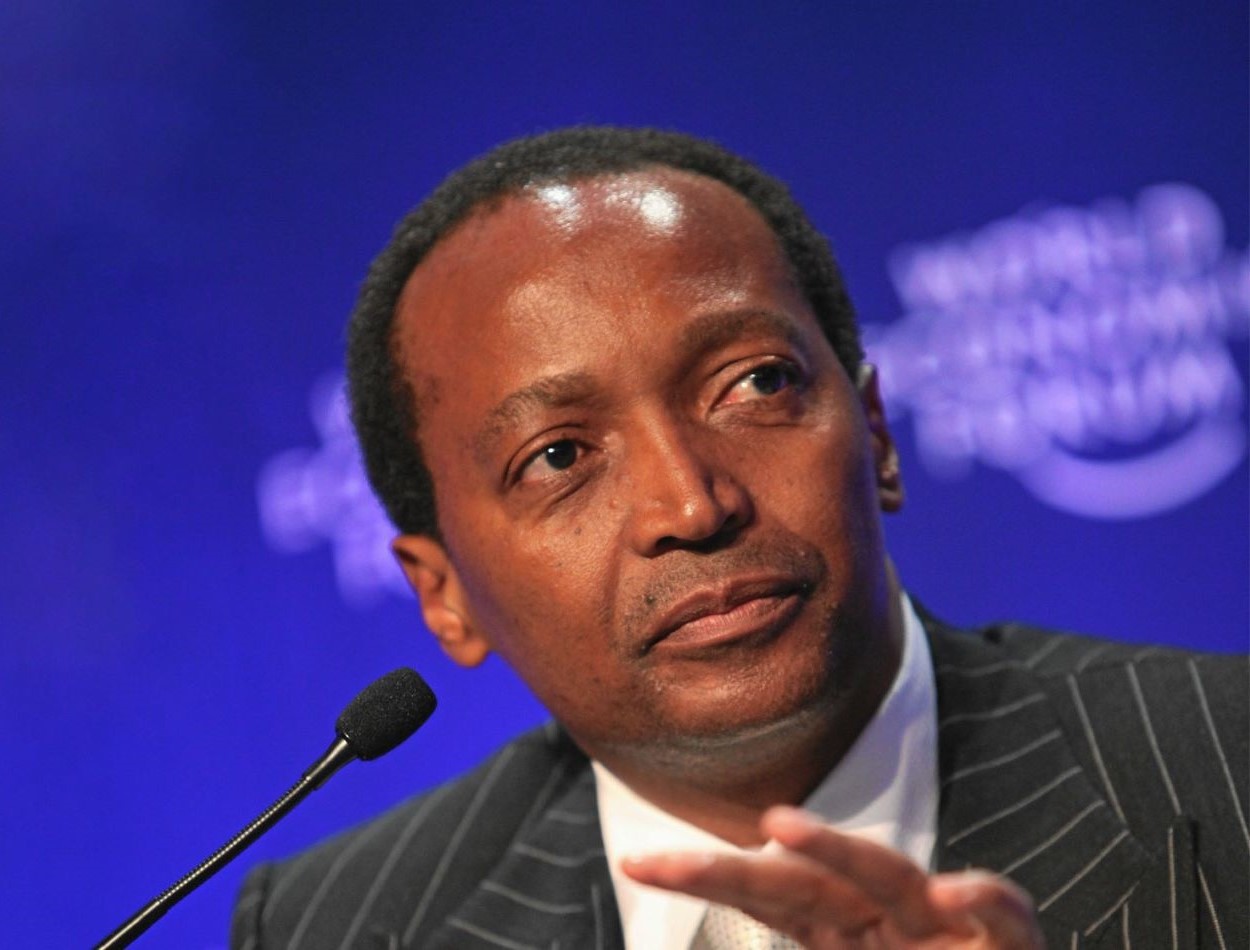
Net worth: ~$3bn
Industry: Mining
Founder of African Rainbow Minerals and owner of Mamelodi Sundowns football club, Motsepe straddles business, sports, and philanthropy. His wealth is rooted in minerals, but his influence extends deep into African political and social networks.
11. Issad Rebrab (Algeria)

Net worth: ~$2–3bn
Industry: Food processing industry
Founder of Cevital, Algeria’s largest private company, Rebrab built his fortune in sugar, oils, and manufacturing. Regulatory pressure and political tensions have weighed on his empire, illustrating the risks of scale in tightly controlled economies.
12. Mohammed Dewji (Tanzania)
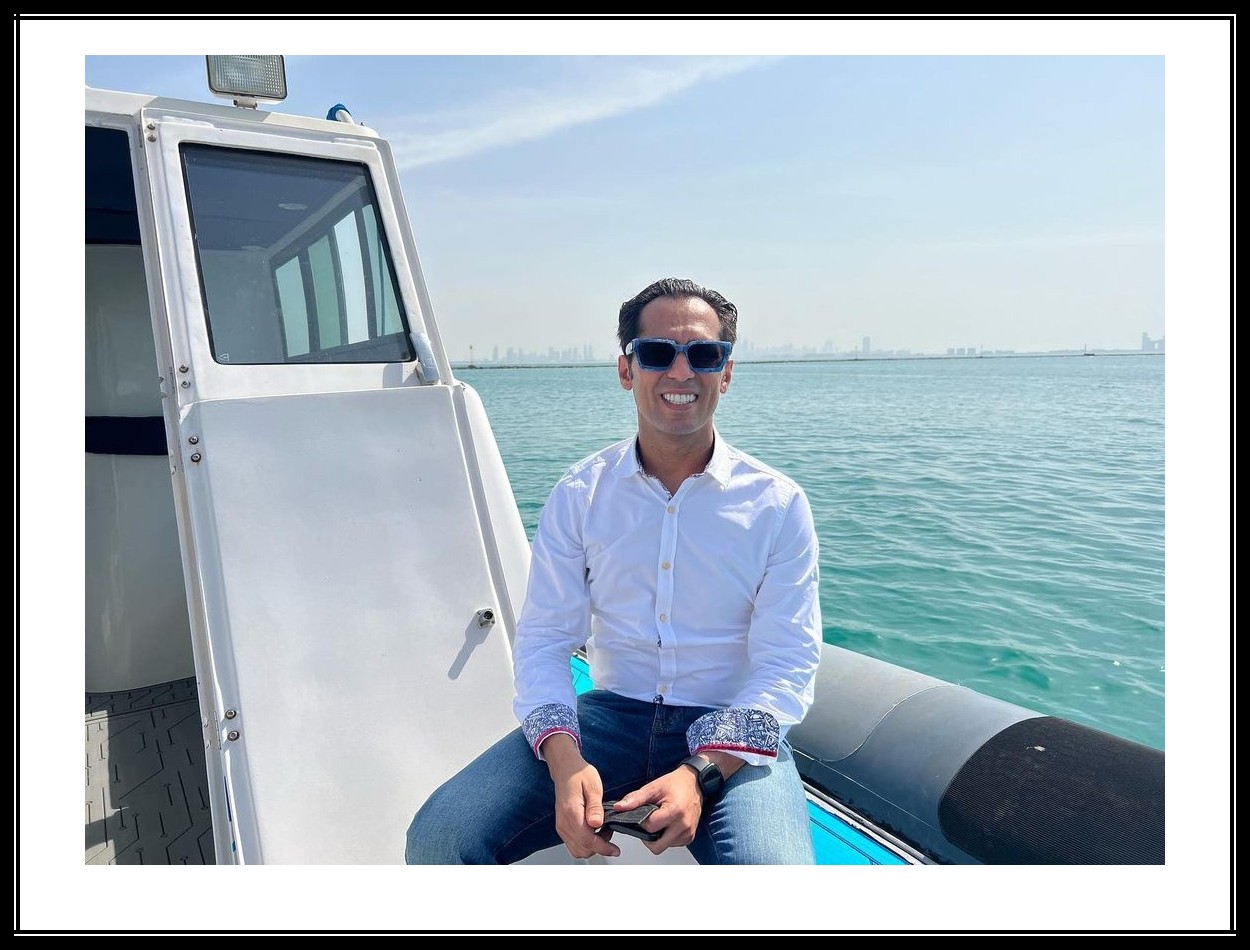
Net worth: ~$2bn
Industry: Manufacturing
CEO of MeTL Group, Dewji is East Africa’s most prominent industrialist, with interests spanning textiles, edible oils, and logistics. His rise highlights the region’s push toward import substitution—still fragile, but growing.
13. Michiel le Roux (South Africa)
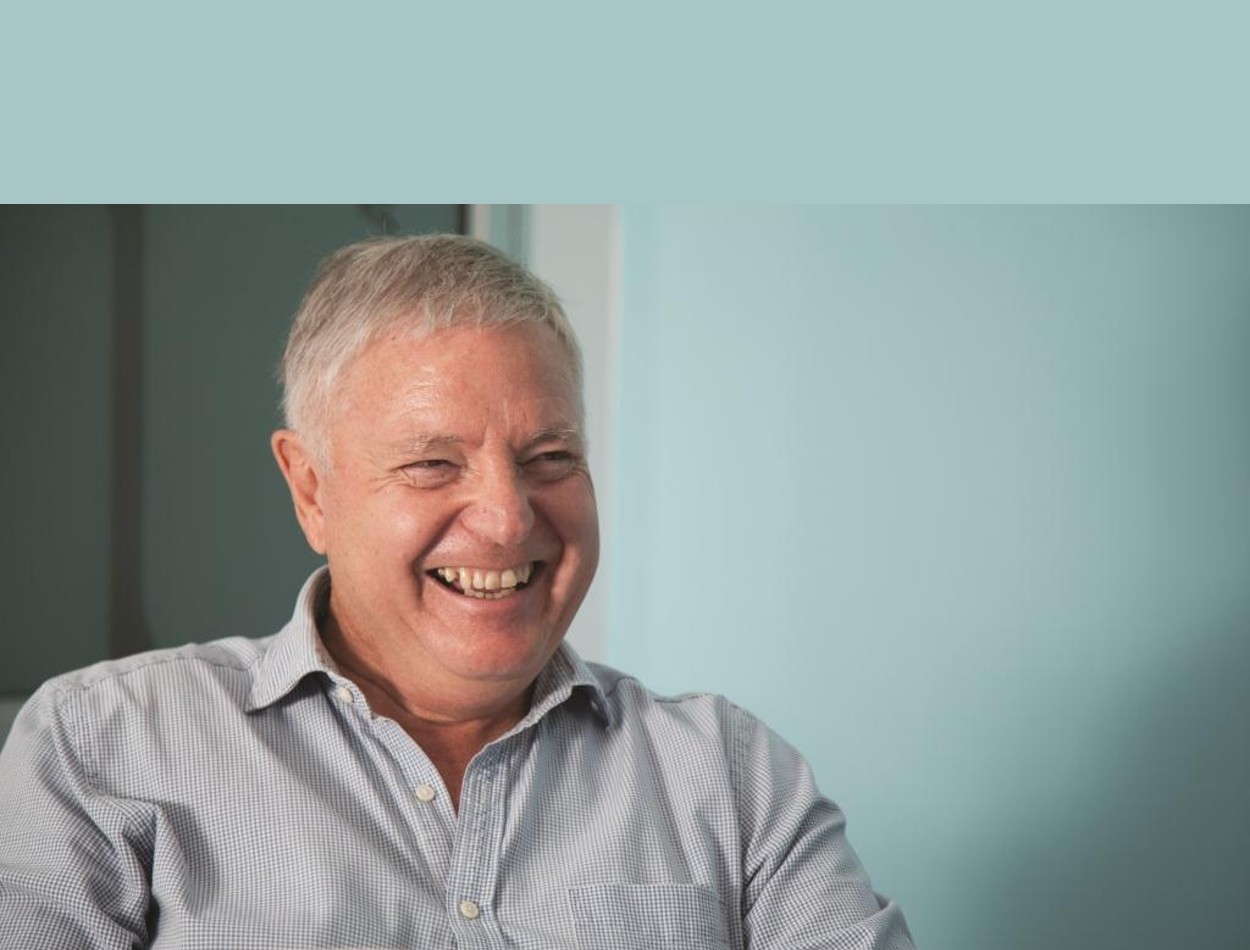
Net worth: ~$2bn
Industry: Banking
Founder of Capitec, one of Africa’s most successful retail banks, Le Roux built wealth by banking the mass market. His fortune is an outlier—proof that financial inclusion can also be highly profitable.
14. Strive Masiyiwa (Zimbabwe)

Net worth: ~$1.5–2bn
Industry: Telecommunications
Masiyiwa’s Econet Wireless operates across multiple African markets. Increasingly, his influence lies in philanthropy, power infrastructure, and global advocacy, rather than pure telecom revenues.
15. Othman Benjelloun / Anas Sefrioui (Morocco)
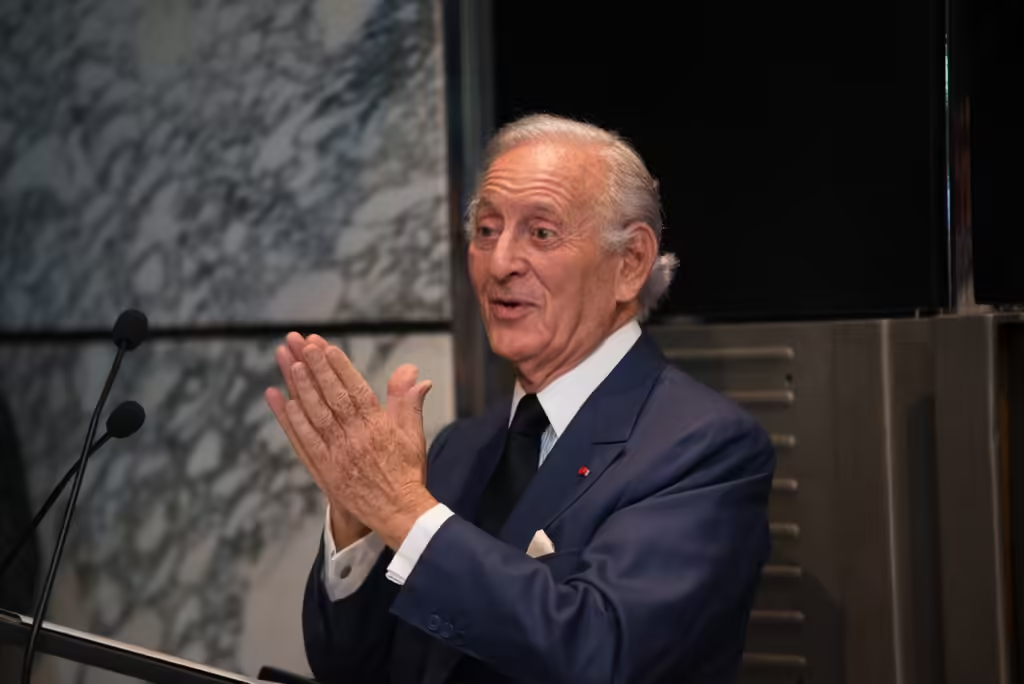
Net worth: ~$1.5–2bn
Industry: Banking, real estate
Morocco’s billionaire class is built on finance and property. Benjelloun’s BMCE Bank and Sefrioui’s mass-housing empire reflect steady, domestic-focused wealth creation—less spectacular, but durable.