

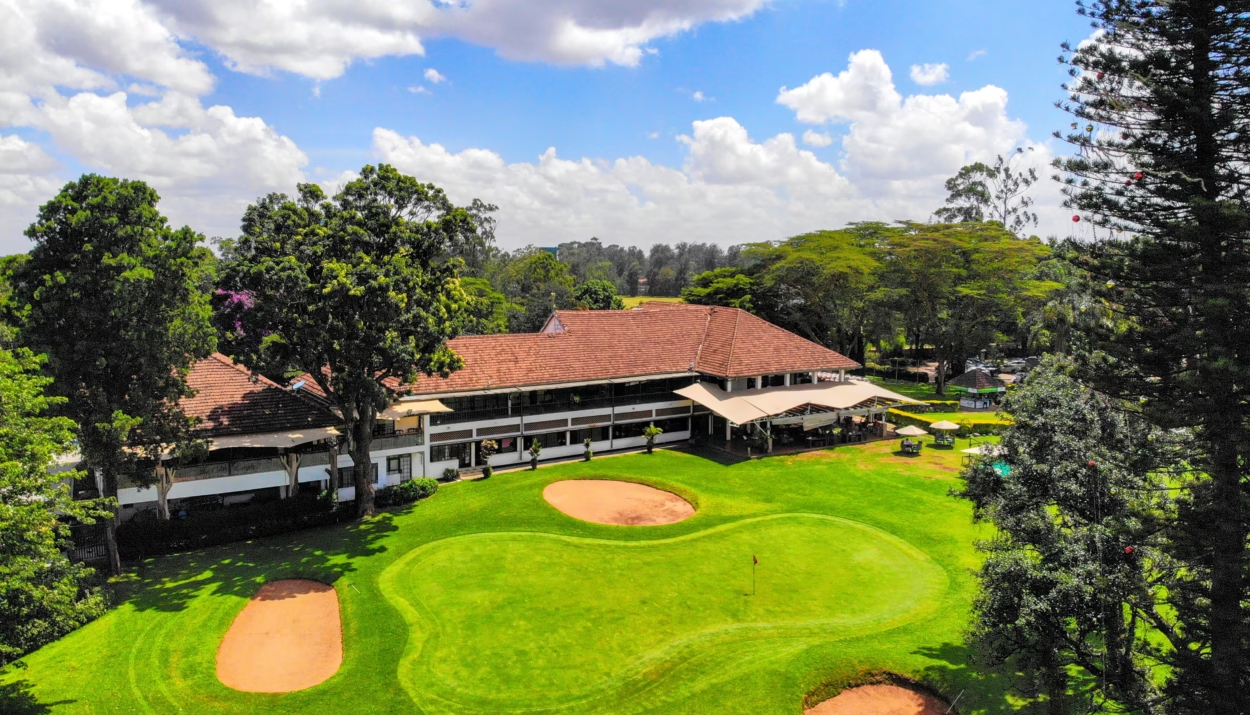

In every city, there are places where power meets leisure, where deals are struck over golf swings, and where the wealthy and influential retreat away from the public eye. Across Africa, these places take the form of private members’ clubs, exclusive sanctuaries where entry is determined not by curiosity but by connections, wealth, and pedigree.
For the continent’s elite — politicians, business magnates, diplomats, and celebrities — these clubs offer more than cocktails and country views. They are arenas of influence, status symbols, and communities for those who play in the highest leagues of society. But what makes them so alluring? Let’s step behind the guarded gates and peek into the world of Africa’s most exclusive clubs.
The appeal of private clubs
For Africa’s wealthy, joining a private club is about far more than recreation:
- Networking: These clubs serve as informal boardrooms. Members mingle with presidents, CEOs, and industry pioneers, turning casual conversations into business ventures.
- Prestige: Membership is a badge of honour, signalling wealth and class. It’s not uncommon for a family’s social standing to be partly measured by whether they belong to a certain club.
- Privacy: In societies where fame and wealth attract scrutiny, private clubs provide safety and discretion.
- Luxury lifestyle: From lush golf courses to gourmet dining, these clubs embody luxury, offering services that rival five-star hotels.
Exclusive clubs in Africa
There are many exclusive clubs across Africa, each providing a private haven where the continent’s elite meet, network, and unwind. Let’s explore some of the most prestigious and exclusive clubs where Africa’s elite gather.
1. Muthaiga Country Club – Nairobi, Kenya
Established in 1913, Muthaiga Country Club is one of Kenya’s most prestigious private members’ clubs. Nestled in the affluent Muthaiga suburb, it offers a serene environment, lush greenery, and a rich history. Membership is exclusive, with access limited to members, their guests, and members of reciprocal clubs.
2. Capital Club East Africa – Nairobi, Kenya
Located in the heart of Nairobi, Capital Club East Africa is a premier private city club that serves as a hub for business and social networking. It provides a range of facilities, including dining, fitness, and meeting spaces, catering to the region’s elite professionals.
3. Rand Club – Johannesburg, South Africa
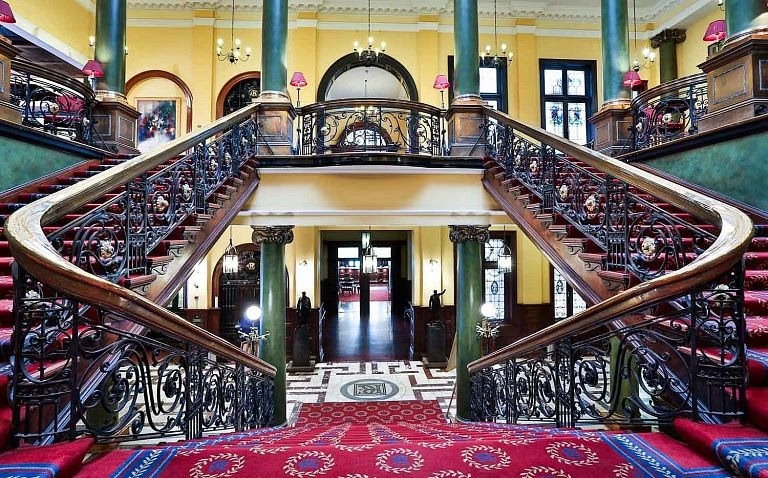
Founded in 1887, Rand Club is one of Johannesburg’s oldest and most exclusive private members’ clubs. Situated in the city’s central business district, it offers a blend of historic charm and modern amenities, attracting influential figures from various sectors.
4. Cape Town Club – Cape Town, South Africa
Established in 1858 and revived in 2024, the Cape Town Club is an historic members’ club reimagined for a more modern, more inclusive Cape Town.
5. Inanda Club – Johannesburg, South Africa
Located in Sandton, Inanda Club is a premier private members’ retreat known for its exclusivity and elegance. It offers a range of facilities, including polo fields, tennis courts, and fine dining options, catering to Johannesburg’s elite.
6. Ikoyi Club 1938 – Lagos, Nigeria
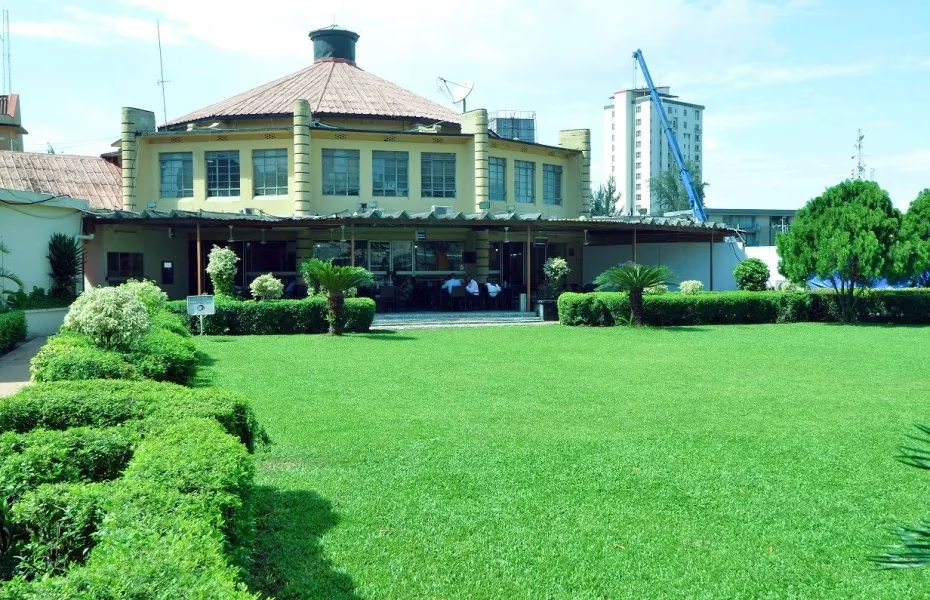
Founded in 1938, Ikoyi Club 1938 is a private members’ family club in Lagos. It offers a variety of recreational facilities, including golf, tennis, and swimming, and serves as a social hub for the city’s elite.
7. Gaia Africa – Lagos, Nigeria
Gaia Africa is a private members’ business and social club designed for leading African women. It provides a nurturing and authentic environment for women to learn, grow, and connect for business, offering a range of exclusive events and resources.
8. Mìlíkì – Lagos, Nigeria
Mìlíkì is a private members’ club in Lagos that offers its elite a refuge from the city’s hectic pace. It provides a serene environment for relaxation and networking among the city’s influential figures.
9. The Peninsula Club – Dar es Salaam
The Peninsula Club is a premier private members’ club in Dar es Salaam, offering seasonal fine dining, curated cultural events, private lounges, and networking spaces. It serves as a social hub for Tanzania’s elite.
10. Kapital – Dar es Salaam
Kapital is an exclusive lounge in Dar es Salaam that blends business and entertainment, providing a platform for like-minded individuals to relax, meet, and network. It caters to the city’s elite professionals.
These clubs represent just some of Africa’s most exclusive spaces for the continent’s elite. There are many more private, prestigious clubs across Africa where influential individuals gather to network, relax, and socialize.
Membership: Who gets in and how
Gaining entry into these elite clubs is rarely straightforward. Membership is designed to preserve exclusivity, social standing, and networking value. Most clubs operate on a strict invitation or sponsorship basis, meaning prospective members usually need:
- A nomination or sponsorship – An existing member must propose the candidate, often followed by a secondment from another member.
- Approval by a committee or board – Membership applications are reviewed by the club’s governing body, ensuring the candidate fits the club’s standards for professionalism, social standing, or influence.
- Membership fees and subscriptions – Most elite clubs charge annual or initiation fees, sometimes with additional charges for exclusive services or facilities. These fees reinforce exclusivity by ensuring only serious, committed individuals can join.
In essence, these clubs are curated social ecosystems. Membership isn’t just about wealth; it’s about status, influence, and belonging to a network of Africa’s top professionals, business leaders, and cultural figures.
The power of networking
While these exclusive clubs offer luxurious settings for dining, sports, and relaxation, their true value often lies in the networking opportunities they offer. For Africa’s elite, these spaces are much more than leisure; they are strategic hubs where influence, business, and culture intersect.
Membership grants access to a community of CEOs, entrepreneurs, diplomats, and cultural leaders, enabling conversations and connections that can shape careers, investments, and partnerships. Informal discussions over a round of golf, a polo match, or a fine dining experience often lead to collaborations, mentorships, and business deals that are rarely accessible outside these elite circles.
Moreover, many clubs host curated events, workshops, and speaker sessions designed to inspire, educate, and foster meaningful connections among members. In this sense, the clubs serve as a bridge between personal leisure and professional influence, making them invaluable arenas for anyone looking to consolidate their place within Africa’s upper echelons.
Criticism and controversy
Despite their prestige, exclusive clubs also face criticism:
- Inequality: In societies struggling with poverty and unemployment, the lavish lifestyles in private clubs highlight stark inequalities.
- Elitism: By design, these clubs are not inclusive. They reinforce social divisions, sometimes excluding people based on race, class, or political affiliations.
- Colonial legacy: Many of Africa’s oldest clubs were established during colonial times and carried discriminatory membership policies. While most have since reformed, traces of that legacy linger in their culture.
- Accessibility: The fees and waiting lists make these clubs inaccessible to even wealthy middle-class Africans, leaving them as enclaves for the ultra-rich.
The future of exclusive clubs in Africa
As Africa’s economy evolves and a new generation of entrepreneurs, creatives, and professionals rises, exclusive clubs are adapting to remain relevant. While tradition and heritage remain central, many clubs are modernising their offerings, integrating technology, wellness programs, and curated events that appeal to younger elites.
Sustainability and social responsibility are also becoming key considerations, with some clubs investing in eco-friendly facilities and supporting community initiatives, signalling a shift from purely leisure-driven spaces to purposeful social hubs.
Moreover, with Africa’s elite becoming increasingly pan-African and global, clubs are fostering cross-border connections, offering members opportunities to network not only within their city or country but across the continent and beyond. The future of exclusive clubs, therefore, lies in balancing tradition with innovation, ensuring they remain symbols of prestige while meeting the evolving needs of Africa’s new elite.